NMA Statement on ACIP Vote to Roll Back Universal Hepatitis B
For Immediate Release:
December 5, 2025
The National Medical Association is adamantly opposed to the changes approved this week by the CDC’s Advisory Committee on Immunization Practices (ACIP) that remove the universal recommendation for hepatitis B vaccination at birth. These changes undermine decades of proven, evidence-based public health practice and place infants, especially Black newborns, who are disproportionately affected by hepatitis B, at unnecessary risk.
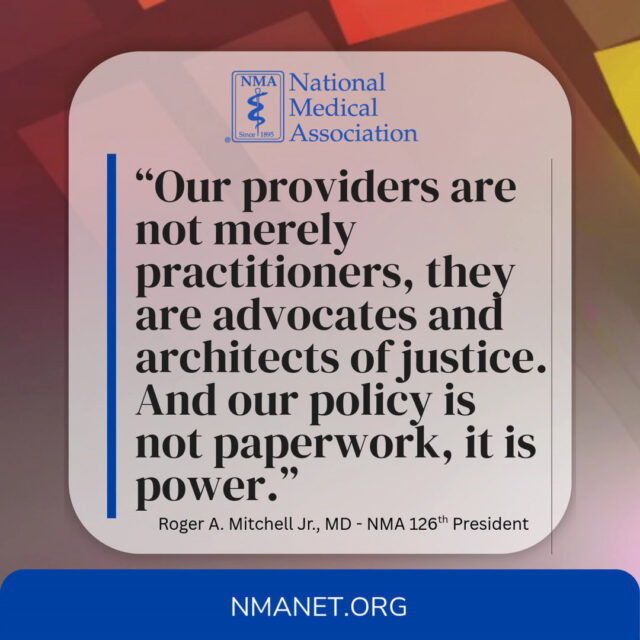
“The science on hepatitis B vaccination is clear, consistent and unchanged,” said Dr. Roger A. Mitchell Jr., 126th president of the National Medical Association. “Rolling back universal newborn vaccination creates confusion, invites misinformation and will cause preventable disease. This decision is misaligned with evidence, medical consensus and the needs of the communities most impacted.”
“This is one of the most successfully executed vaccination programs in U.S. public health history,” said Dr. Dial Hewlett Jr., MD, FACP, FIDSA, Chair of the NMA Vaccine Task Force. “The data do not support changing course — particularly when Black infants already face higher risks of both exposure and barriers to prenatal screening.”
Frequently Asked Questions
Why is the ACIP decision on newborn hepatitis B vaccination important?
The Advisory Committee on Immunization Practices (ACIP) sets national vaccine recommendations for the United States. Changes made by ACIP directly shape:
- Hospital newborn vaccine protocols
- Pediatric care practices
- Insurance coverage
- Public perception of vaccine safety
Removing the universal hepatitis B birth dose increases the risk of missed or delayed vaccination, especially for families with limited access to prenatal care. The National Medical Association warns this decision undermines decades of successful, evidence-based public health strategy.
What is hepatitis B and why is it dangerous for infants and children?
Hepatitis B is a highly contagious virus that attacks the liver. Infants infected at birth or early childhood have a 90% likelihood of developing chronic hepatitis B, which can lead to:
- liver cancer
- cirrhosis
- inflammatory disorders
- lifelong liver disease
- premature death
Because early infection is often silent, the disease may not be detected until serious damage has occurred. Vaccination at birth is the most effective protection.
Why do newborns need the hepatitis B vaccine at birth?
Vaccinating newborns immediately protects infants even when maternal hepatitis B status is unknown. During the ACIP session, data showed:
- Only 84% of pregnant women were screened for hepatitis B at delivery.
This means thousands of infants could be unknowingly exposed each year. Universal birth dosing ensures no child falls through the cracks. More than 1.4 billion safe doses have been administered globally over 35 years.
How do the ACIP changes increase risk for Black families and children?
Black Americans face the highest burden of hepatitis B in the United States:
- 2.3 cases per 100,000 — highest rate nationally
- Four times the infection rate of the general population in 2022
- Twice the mortality rate from hepatitis B
Because Black families disproportionately experience gaps in prenatal care and screening, removing universal newborn vaccination puts these infants at significantly higher risk of preventable infection.
How does this decision affect health equity and vaccine access?
About 60% of Black children receive care in Medicaid-based or public health clinics, where:
- appointment times are short
- follow-up is inconsistent
- access to specialty counseling is limited
ACIP’s shift toward “shared decision-making” is not feasible in these environments. It assumes time, resources and continuity of care that many families do not have. Universal newborn vaccination is the most equitable and protective policy.
Concerns About ACIP’s Process
During the meeting:
- Several voting members held public, documented anti-vaccine positions.
- Some presented anecdotal or non–peer-reviewed materials.
- Liaison representatives — including the NMA — were not permitted to speak.
The NMA considers these procedural issues deeply concerning and counter to evidence-based decision-making.
Dial Hewlett Jr., MD, FACP, FIDSA, Chair, NMA Vaccine Task Force
Roger A. Mitchell Jr., MD, 126th President, National Medical Association
###
About the National Medical Association:
The National Medical Association is the nation’s oldest and largest organization representing Black physicians and health professionals in the U.S. and promotes the collective interests of physicians and patients of African descent. We serve as the voice of Black physicians and a leading voice for parity in medicine, elimination of health disparities and promotion of optimal health. To learn more about the NMA, please visit https://www.nmanet.org/.
MEDIA CONTACT:
Jaylen Christie
850-556-4924
jaylen@bdaviscomm.com